Winter roads in the UK are brutal. Rain seeps into cracks, temperatures drop, water freezes and expands, and before long the tarmac gives way. The result? Deep, sharp-edged potholes that can cause serious tyre and wheel damage in seconds. Tyre Pothole Damage gets expensive.
If you’ve hit a pothole recently and noticed vibration, pulling to one side, or a strange bulge in your tyre, don’t ignore it. Here’s exactly how potholes damage your tyres, what signs to look out for, and what to do next.
Why Winter Potholes Are So Damaging
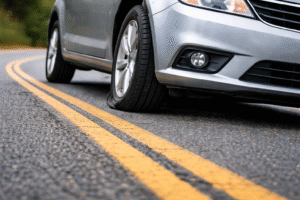
Potholes form when water penetrates small cracks in the road surface. As temperatures drop, the water freezes and expands, weakening the structure of the tarmac. When traffic passes over it, the surface collapses. This is where tyre pothole damage gets serious.
Winter makes this worse because:
- Freeze–thaw cycles increase road surface cracking
- Heavy rain fills potholes, making them harder to see
- Dark evenings reduce visibility
- Standing water hides depth and sharp edges
When your tyre hits a pothole at speed, the impact force transfers directly through the tyre to the wheel rim and suspension.
That’s where the damage starts.
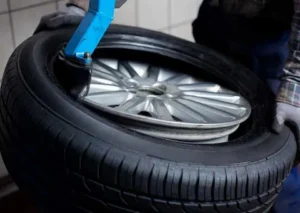
Bent/Cracked Alloys
A pothole impact can bend or crack your alloy wheel.
Common signs:
- Steering wheel vibration
- Car pulling to one side
- Slow air leak
- Visible flat spot on the rim
Even a small bend can throw your wheel out of balance. Left unchecked, this leads to uneven tyre wear and further suspension strain.
What to do:
- Book a wheel alignment check
- Have your wheels inspected and balanced
- Repair or replace damaged alloys
Mobile inspection services can often assess this at your home or workplace.
Sidewall Bulges (Internal Tyre Damage)
This is one of the most serious pothole-related tyre issues.
When your tyre slams into a sharp edge, the internal cords can snap. Air then pushes outward, creating a visible bulge or “bubble” on the sidewall.
Important: A bulging tyre cannot be repaired. It is structurally compromised and at risk of sudden blowout.
What to do:
- Replace the tyre immediately
- Avoid motorway speeds until replaced
- Check the opposite tyre on the same axle
Driving on a bulging tyre is a gamble you don’t want to take.
The Hidden Damage: Alignment and Suspension
Even if your tyre looks fine, the impact may have knocked your wheels out of alignment.
Misalignment causes:
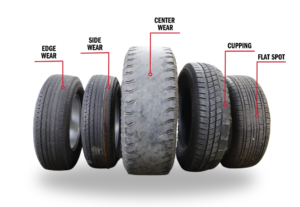
- Uneven tyre wear
- Reduced fuel efficiency
- Steering instability
- Faster tyre replacement cycles
A simple alignment check can prevent long-term costs.
What You Can Do About Pothole Damage
1. Book an Inspection
After a heavy impact, don’t rely on a visual check alone. Internal tyre damage is not always obvious.
2. Book Wheel Alignment and Balancing
If your steering feels off or the car vibrates at speed, get it checked immediately.
3. Use Mobile Tyre Repair and Replacement
If you’ve suffered a blowout or unsafe tyre damage, a mobile call-out service can:
- Replace tyres at your home or workplace
- Check wheel balance
- Inspect for alignment issues
- Get you back on the road quickly
This saves you driving on a potentially unsafe tyre.
How to Reduce the Risk of Pothole Damage
- Keep tyres inflated to the correct pressure
- Leave extra stopping distance in winter
- Avoid driving through standing water when possible
- Reduce speed on poorly maintained roads
- Check tyres regularly for bulges, cuts, or cracks
Underinflated tyres are more vulnerable to pothole impact damage. Regular pressure checks make a real difference.
What to Do
Potholes aren’t just an inconvenience. They can cause bent rims, dangerous sidewall bulges, and even sudden blowouts.
If you’ve hit a pothole this winter and your car doesn’t feel quite right, don’t ignore it. A quick alignment check, wheel balance inspection, or mobile tyre repair call-out could prevent a far more expensive problem later.
Stay proactive. It’s cheaper than replacing tyres, wheels, and suspension parts down the line. Get in touch if you have Tyre Pothole Damage.
Midland Tyre Solutions