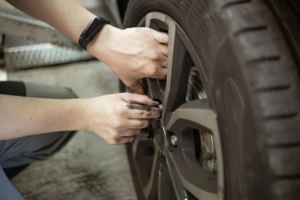
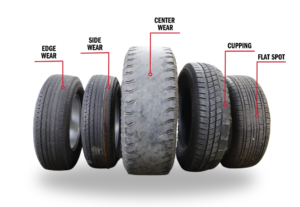
Winter magnifies small tyre issues, so a bit of prevention goes a long way. Check your pressures regularly, keep an eye on cracks or bulges, and make sure your tread depth is healthy. If you live somewhere particularly cold, winter tyres are worth considering: they grip better, last longer in cold conditions and dramatically reduce the chance of a blowout.
Winter Tyres Explained
Winter tyres are built specifically for cold weather, not just snow. Once temperatures drop below around 7°C, the rubber compound in a winter tyre stays flexible, allowing it to grip the road more effectively than a standard or all-season tyre. This translates directly into shorter braking distances, better traction when pulling away, and more confidence on icy or wet roads.
They are particularly effective on early-morning commutes, rural Midlands routes, and untreated roads where frost and ice linger. The trade-off is that winter tyres wear faster once temperatures rise, which is why they are usually swapped out in spring.
All-Season Tyres Explained
All-season tyres are designed as a compromise. They aim to perform adequately throughout the year, removing the need to change tyres between seasons. In cold and wet conditions they outperform summer tyres, and many modern all-season options are winter-rated for light snow use.
For drivers who mainly stick to urban or suburban routes and want a single set of tyres all year round, all-season tyres make practical sense. However, they do not match the cold-weather grip or braking performance of a dedicated winter tyre when conditions are at their worst.
How They Compare on Midlands Roads
In cold weather, winter tyres provide noticeably better grip and stability, especially on damp or icy surfaces. Braking distances are shorter, and steering response is more predictable. All-season tyres cope well in rain and light snow but begin to lose their advantage as temperatures drop further or roads become more challenging.
From a cost and convenience perspective, all-season tyres are simpler. You buy one set and keep them on year-round. Winter tyres cost more initially and require seasonal fitting, but they offer a higher safety margin during the coldest months.
Which Should You Choose?
If you drive frequently throughout winter, cover longer distances, or regularly use country lanes or hilly routes in the Midlands, winter tyres are the safer choice. They are designed for exactly those conditions.
If your driving is mostly local, your mileage is lower, and convenience matters more than peak winter performance, all-season tyres are a sensible alternative.
The right answer depends on how and where you drive, not just the weather forecast.
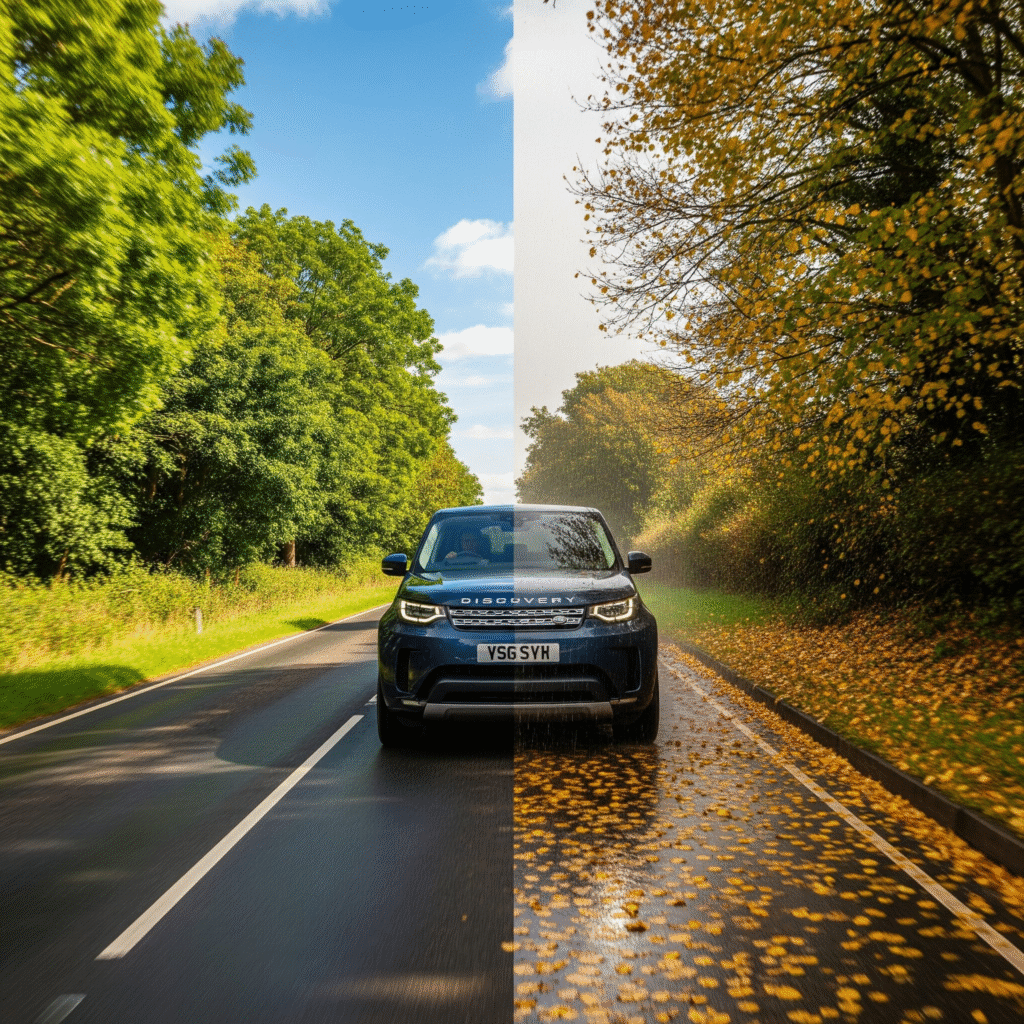
Winter Tyre Supply and Fitting in the Midlands
Whichever option you choose, correct fitting is critical. We supply and professionally fit both winter and all-season tyres, ensuring proper balancing and alignment so you get the best performance and lifespan from your tyres.
Our team will also advise on the most suitable tyre for your vehicle and typical Midlands driving conditions, without upselling what you do not need.
Midland Tyre Solutions